The GIVA rakhi ad row: what happened, and what the argument is really about
A jewellery campaign with Kriti Sanon was pulled after online criticism of her outfit. The sequence of events, the responses on record, and the fake claim that spread alongside it.
By Tathya Post Desk · 27 August 2026 · 4 min read
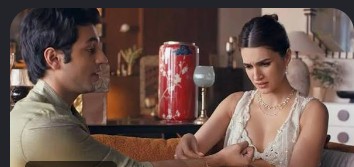
Days before Raksha Bandhan, the jewellery brand GIVA withdrew a festival advertisement featuring the actor Kriti Sanon after sustained criticism on social media. Here is what is actually on record, separated from what has been said about it.
What was in the ad
The campaign showed Kriti Sanon in an Indo-Western outfit, tying a rakhi to a pet dog. Objections online focused on the clothing rather than the premise, with critics arguing the styling was unsuited to a festival they associate with traditional family values.
What the brand did
GIVA pulled the advertisement from all media. Its statement said that if the advertisement had inadvertently hurt the sentiments of some segments of society, that was not the intent.
What the actor said
Kriti Sanon defended the campaign on Instagram, writing that culture and traditions are in a woman's heart, not in her neckline, and asking when people would stop telling women what to wear. Her sister, the actor Nupur Sanon, publicly backed her. BJP MP and actor Kangana Ranaut also weighed in, which extended the story well past the original campaign.
The claim that was not true
As the row spread, so did a claim that Kriti Sanon had made her Instagram account private in response to the criticism. Fact-checks found that claim false. This is the ordinary shape of an online controversy: a real event at the centre, and a ring of invented detail around it that travels faster than the correction.
Our brief on checking a viral claim covers the two-minute test that catches most of this — and the most useful question here was simply whether the account was, in fact, private.
What the argument is actually about
Very little of this is about a necklace. A festival advertisement is a commercial object designed to attach a brand to a feeling that already exists, and the recurring fight is over who gets to define that feeling. One side reads a sleeveless outfit at a religious festival as disrespect; the other reads the objection as policing what women wear. Both arguments were fully formed before this campaign existed and will outlast it.
What is worth noticing is the mechanism. A brand withdrew a campaign within days, on the basis of social media volume rather than any measured objection — and volume is cheap to manufacture. Whether you agreed with the criticism or not, the speed of the withdrawal is the part that shapes what gets made next year.
Tathya Post did not report this story first-hand. The account above follows reporting by The Week and Bollywood Hungama, and a fact-check by Sunday Guardian; the quotations are as those outlets published them.
More from Tathya Post
Raksha Bandhan 2026: the date, the muhurat, and what the thread actually means
Friday 28 August, with the auspicious window running from 05:57 to 09:48 in the morning. Why Bhadra decides the timing, and how the festival travelled from a battlefield promise to a courier deadline.
रक्षाबंधन 2026: तारीख, मुहूर्त और उस धागे का असली अर्थ
शुक्रवार, 28 अगस्त। राखी बांधने का शुभ समय सुबह 05:57 से 09:48 तक। भद्रा समय क्यों तय करती है, और यह त्योहार एक वचन से कूरियर की डेडलाइन तक कैसे पहुंचा।