Raksha Bandhan 2026: the date, the muhurat, and what the thread actually means
Friday 28 August, with the auspicious window running from 05:57 to 09:48 in the morning. Why Bhadra decides the timing, and how the festival travelled from a battlefield promise to a courier deadline.
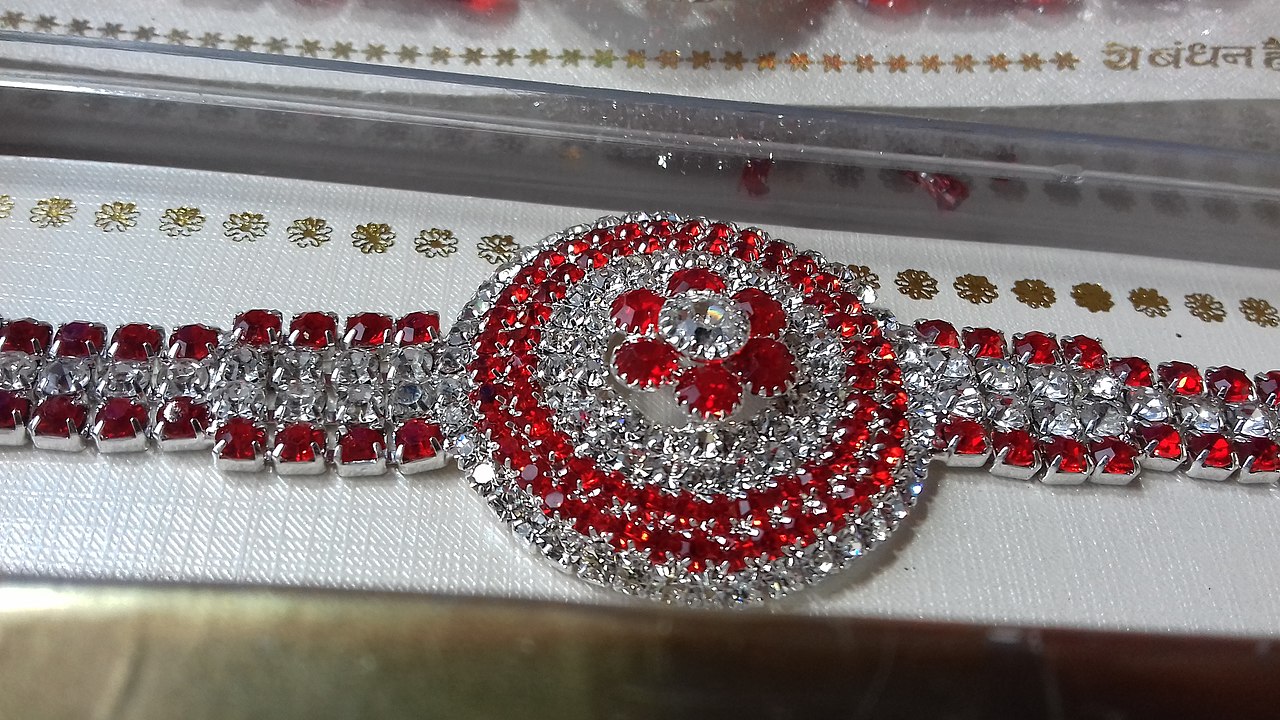
By Tathya Post Desk · 27 August 2026 · 5 min read
Raksha Bandhan falls on Friday, 28 August 2026. The Purnima tithi of Shravan begins at about 9:08 am on 27 August and ends at about 9:48 am on 28 August, which is why the celebration lands on the Friday even though the tithi opens the previous morning.
The muhurat, and why Bhadra matters
Widely published panchangs place the auspicious window for tying the rakhi between 05:57 am and 09:48 am on 28 August. The window closes at 9:48 because that is when the tithi itself ends — a rakhi is tied during Purnima, not after it.
The reason Raksha Bandhan timings get discussed at all is Bhadra, a period within the tithi that tradition treats as unsuitable for auspicious acts. In some years Bhadra covers most of the morning and families end up waiting until afternoon. In 2026 the Delhi panchang has Bhadra ending before sunrise on the 28th, so the whole morning window is clear. That is unusually convenient, and worth knowing if you have been told to wait.
Timings shift by a few minutes between cities and between panchangs, because sunrise does. If your family follows a particular panchang or a particular priest, that is the one to use — this is a guide, not a ruling.
What the thread is for
The literal meaning of raksha bandhan is a bond of protection. The rakhi is not a gift or a decoration; it is a promise made physical, which is why it goes on the wrist rather than in a box. The sister ties it, the brother undertakes to look out for her, and both eat something sweet on the strength of it.
The stories behind it are several, and they disagree, which is normal for a festival this old. One has Indrani tying a thread on Indra's wrist before battle. Another has Draupadi tearing a strip from her sari for Krishna's bleeding finger, and Krishna repaying it many times over. A third, from 1905, has Rabindranath Tagore asking Hindus and Muslims in Bengal to tie rakhis on each other in protest against the partition of the province — an explicitly political use of the same gesture, and a reminder that the thread has never only been about siblings.
How it is actually observed now
The ritual itself is short: an aarti, a tilak, the thread, sweets, and usually money or a gift passed the other way. What has grown around it is logistics. Rakhis posted to another city need to leave nearly a week early, courier services run festival cut-offs, and video calls now stand in for the tying itself across a good part of the diaspora.
The commercial layer has grown too — jewellery campaigns, gift bundles, discount codes, and every year at least one advertisement that starts an argument. That is worth separating from the festival. The thread costs ten rupees and the promise costs nothing.
If you are travelling or posting
- Book courier pickups at least five working days ahead; festival volumes slow everything down.
- Rakhi and sweets sent together often attract a higher shipping class — check before packing.
- If the muhurat matters to your family, confirm the local timing rather than a national one; sunrise differs by up to 40 minutes across India.
- For a video-call tying, agree the time the day before. The window is under four hours this year.
Timings in this piece follow widely published panchangs for Delhi. Panchangs differ, and so do family traditions.
More from Tathya Post
रक्षाबंधन 2026: तारीख, मुहूर्त और उस धागे का असली अर्थ
शुक्रवार, 28 अगस्त। राखी बांधने का शुभ समय सुबह 05:57 से 09:48 तक। भद्रा समय क्यों तय करती है, और यह त्योहार एक वचन से कूरियर की डेडलाइन तक कैसे पहुंचा।
The GIVA rakhi ad row: what happened, and what the argument is really about
A jewellery campaign with Kriti Sanon was pulled after online criticism of her outfit. The sequence of events, the responses on record, and the fake claim that spread alongside it.